A live interactive presentation

Steely Dan
Gaucho

Participate live

Scan to join

steely-dan-quiz.netlify.app/quiz.html  ·  No app needed

Open the quiz URL on your phone.
Non-linear Presentations
  • Vote on live questions
  • Send anonymous questions
  • Choose which branch we take
Branch A  ·  History

Two eras, one band

1972–1974 touring era  ·  1975–1980 studio era  ·  2000 reunion

Steely Dan existed in two completely distinct phases separated by a deliberate decision to stop touring in 1974. In the first era they were a real band — road-hardened, with a rotating cast of members, playing gigs. In the second, they were a studio concept: Fagen and Becker plus whoever they needed, summoned track by track. Plus reunion in 2000.
Timeline
  • 1972 — Debut: Can't Buy a Thrill
  • 1974 — Last tour, Pretzel Logic
  • 1975–1980 — Pure studio era
  • 1980 — Gaucho; band dissolves
  • 2000 — Reunion, Two Against Nature (Grammy)
  • 2017 — Walter Becker dies
Branch A  ·  History

The touring years

1972–1974  ·  ABC Records  ·  Three albums

In the early years Steely Dan toured relentlessly behind their first three albums. They had a real band: David Palmer and Royce Jones on vocals, Denny Dias and Jeff Baxter on guitar, Jim Hodder and later Michael McDonald on backing vocals. Fagen and Becker wrote and arranged everything but rarely took the spotlight. By 1974 they had had enough of touring. They fired almost everyone and retreated to the studio, never to return to the road as a full working band. (until their 2000s reunion)
The early lineup
  • Donald Fagen — keys, vocals
  • Walter Becker — bass, guitar
  • Jeff "Skunk" Baxter — guitar
  • Denny Dias — guitar
  • Jim Hodder — drums
  • David Palmer — lead vocals (early)
Branch A  ·  History

Fagen & Becker

The core duo  ·  Met at Bard College, 1969

Donald Fagen and Walter Becker met as students at Bard College in upstate New York in 1969. Becker was the bass player and guitarist with a literary sensibility. Fagen was the jazz pianist who could talk about Horace Silver and William Burroughs in the same sentence. They became inseparable, then eventually moved to New York to try to break through as songwriters. They sold songs to ABC Records, then got signed themselves. They kept the people they needed and fired the rest.
The partnership
  • Becker: bass, guitar, arrangements
  • Fagen: keys, lead vocals, melodies
  • Both: lyrics, harmony, obsession
  • Neither toured after 1974
  • Becker died September 2017
Branch A  ·  History

Nine albums

1972–2003  ·  Two Grammys for Album of the Year

Nine studio albums across three decades, with a twenty-year gap between Gaucho and Two Against Nature. Only two acts in Grammy history have won Album of the Year across two different decades — Steely Dan is one of them (Aja in 1979, Two Against Nature in 2001). The gap between Gaucho and the reunion was filled with solo work, silence, and Walter Becker's private battles.
The nine
  • Can't Buy a Thrill (1972)
  • Countdown to Ecstasy (1973)
  • Pretzel Logic (1974)
  • Katy Lied (1975)
  • The Royal Scam (1976)
  • Aja (1977) ★ Grammy AOTY
  • Gaucho (1980)
  • Two Against Nature (2000) ★ Grammy AOTY
  • Everything Must Go (2003)
Album 01  ·  1972

Can't Buy a Thrill

ABC Records  ·  Producer: Gary Katz
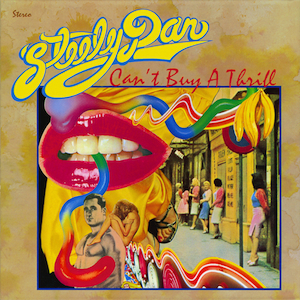
The debut arrived fully formed. Guest vocalists, AM radio hooks, and jazz-rock sophistication all present from the first track. "Do It Again" and "Reelin' In the Years" were genuine hits.
Can't Buy a Thrill Key tracks
  • Do It Again
  • Reelin' In the Years
  • Dirty Work
  • Change of the Guard
Album 02  ·  1973

Countdown to Ecstasy

ABC Records  ·  Recorded while still touring
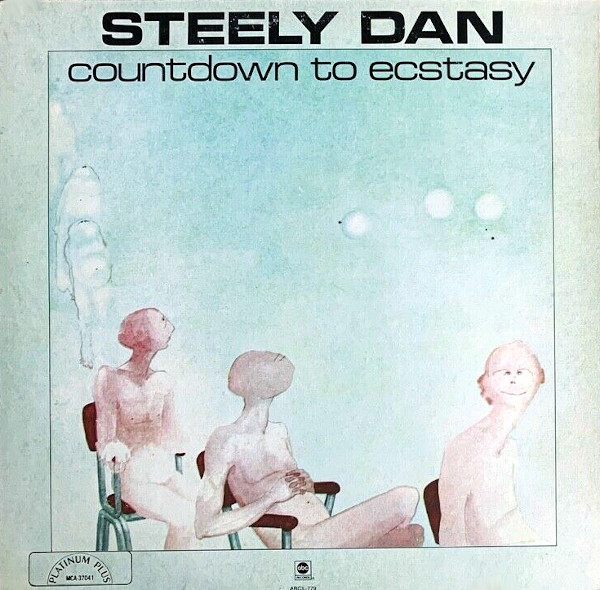
Denser, more jazz-inflected, and more harmonically adventurous. Commercially softer than the debut but critically sharper. One of the last documents of Steely Dan as a live entity — recorded between shows, under pressure, and better for it.
Countdown to Ecstasy Key tracks
  • Bodhisattva
  • Show Biz Kids
  • My Old School
  • Boston Rag
Album 03  ·  1974

Pretzel Logic

ABC Records  ·  The last tour
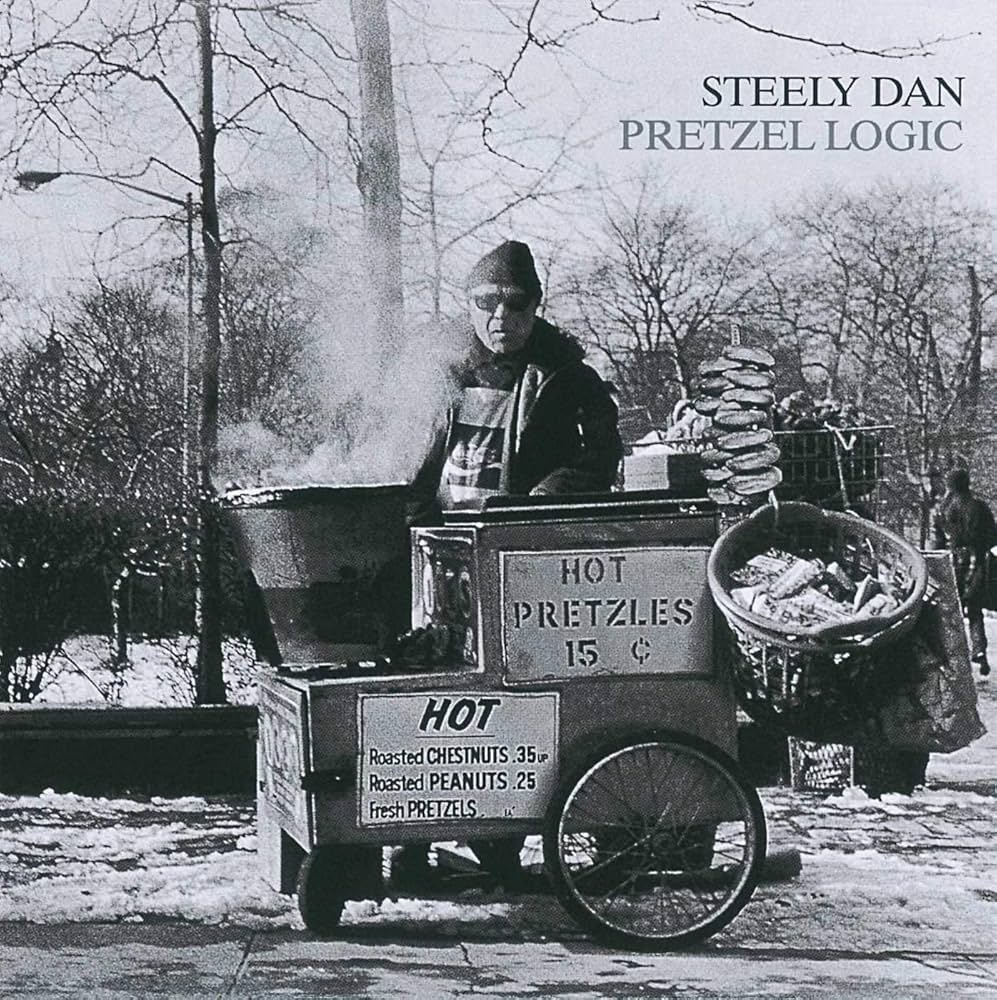
The final album made with a touring band. After this they simply stopped. No announcement, no farewell — the road dates dried up and Fagen and Becker retreated permanently to the studio. Punchy, eclectic, and direct. "Rikki Don't Lose That Number" became their biggest hit.
Pretzel Logic Key tracks
  • Rikki Don't Lose That Number
  • Any Major Dude Will Tell You
  • Pretzel Logic
  • Night By Night
Album 04  ·  1975

Katy Lied

ABC Records  ·  The Wendel arrives
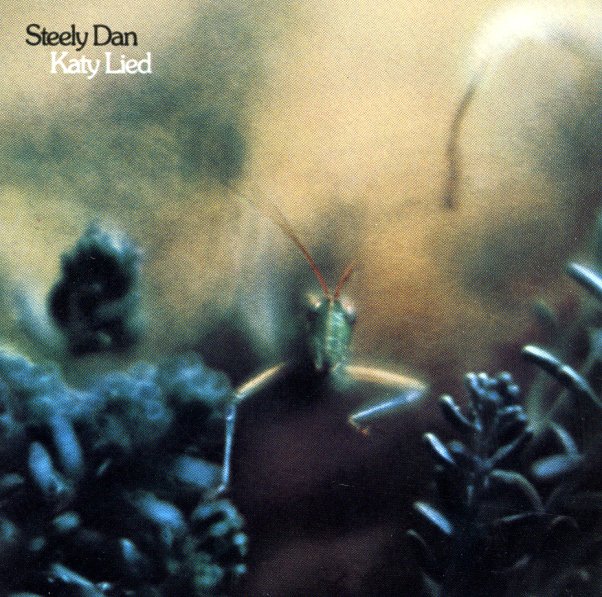
Studio perfectionism takes hold. A noise-gate malfunction coloured several tracks during mastering — discovered too late, shipped anyway. The imperfection became part of the record's DNA.
Katy Lied Key tracks
  • Black Friday
  • Dr. Wu
  • Bad Sneakers
  • Rose Darling
Album 05  ·  1976

The Royal Scam

ABC Records  ·  Larry Carlton on guitar
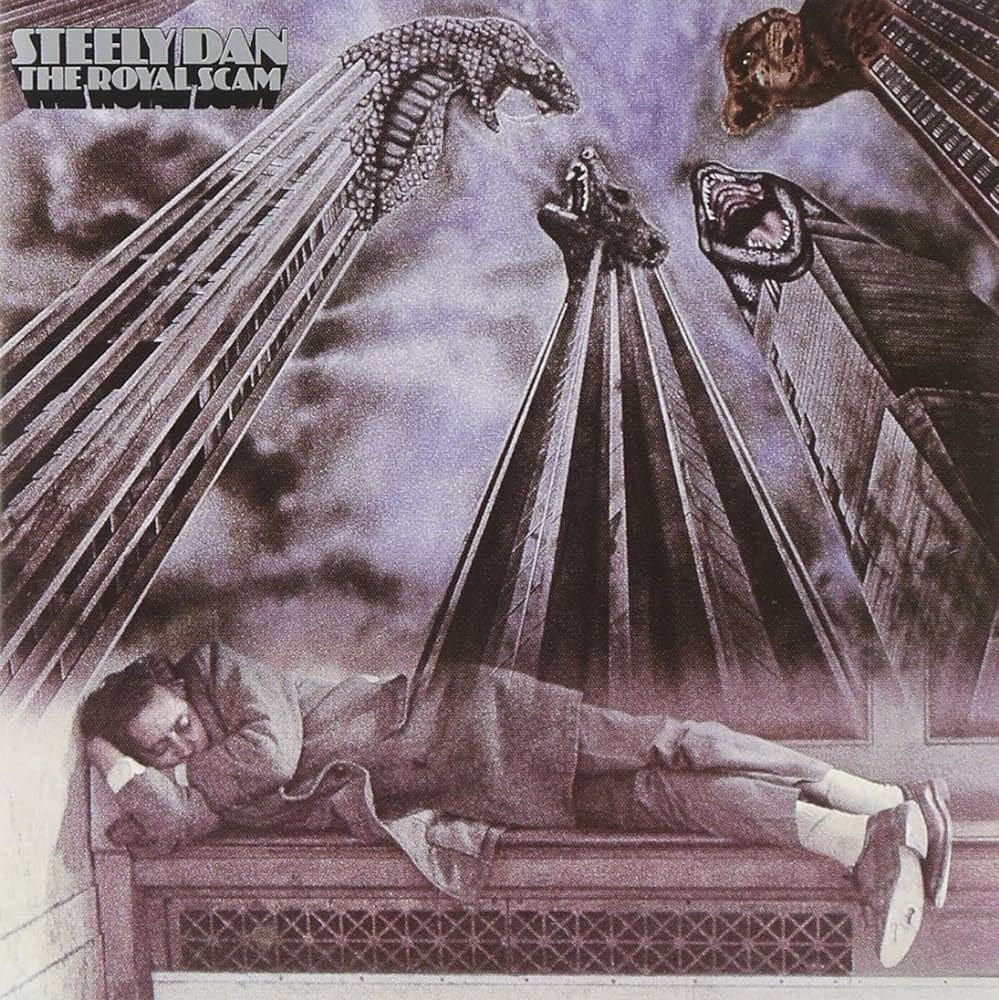
Dark, cinematic street stories. Larry Carlton's guitar work — fluid, electric, luminous — elevates every track. The album seethes with contempt for the American dream and compassion for those crushed by it, wrapped in some of the tightest rhythm tracks of the era.
The Royal Scam Key tracks
  • Kid Charlemagne
  • The Caves of Altamira
  • The Royal Scam
  • Don't Take Me Alive
Album 06  ·  1977

Aja

ABC Records  ·  Grammy: Album of the Year 1979

The masterpiece. Grammy Album of the Year. A rotating cast of Los Angeles's finest session musicians, summoned track by track. Steve Gadd's five-and-a-half minute drum solo on the title track is still studied in conservatories. It sounds effortless. It was anything but.
Aja Key tracks
  • Peg
  • Deacon Blues
  • Josie
  • Black Cow
  • Aja
Album 07  ·  1980

Gaucho

MCA Records  ·  Two years in the making
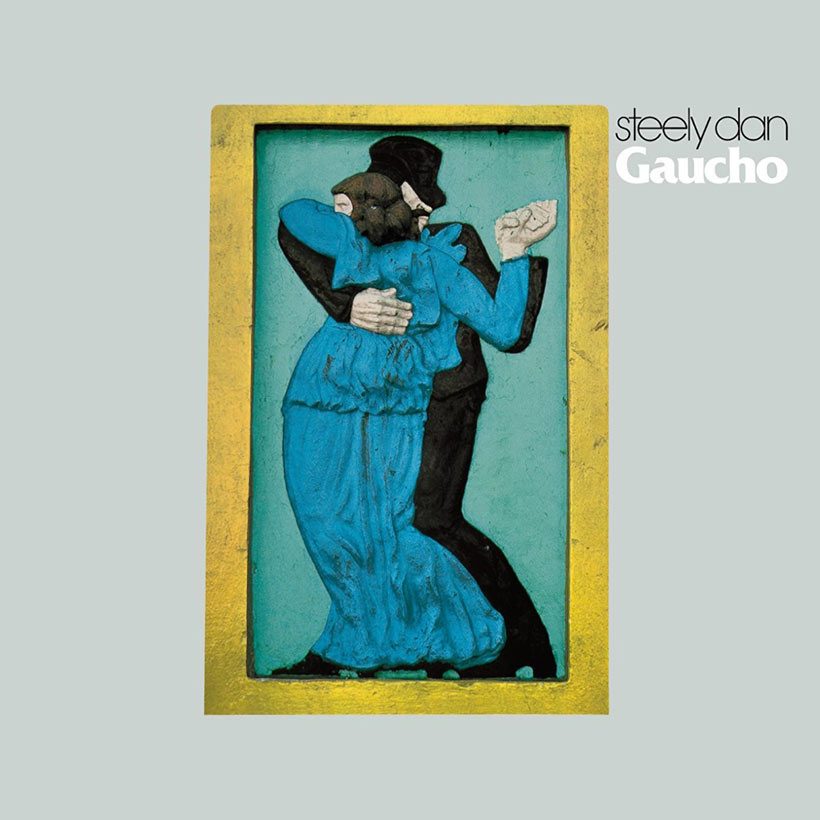
Two turbulent years, personal crises, litigation, and perfectionism at its limit. Cool, immaculate, and oddly detached. Then the band fell silent for twenty years.
Gaucho Key tracks
  • Hey Nineteen
  • Babylon Sisters
  • Third World Man
  • Time Out of Mind
Album 08  ·  2000

Two Against Nature

Giant Records  ·  Grammy: Album of the Year 2001

Twenty years of silence ended. Grammy Album of the Year 2001 — making Steely Dan one of only a handful of acts to win that prize across two decades. Remarkably, it sounds as if they never left. The hiatus had only sharpened their edge.
Two Against Nature Key tracks
  • Cousin Dupree
  • Janie Runaway
  • Jack of Speed
  • Almost Gothic
Album 09  ·  2003

Everything Must Go

Reprise Records  ·  Their final album
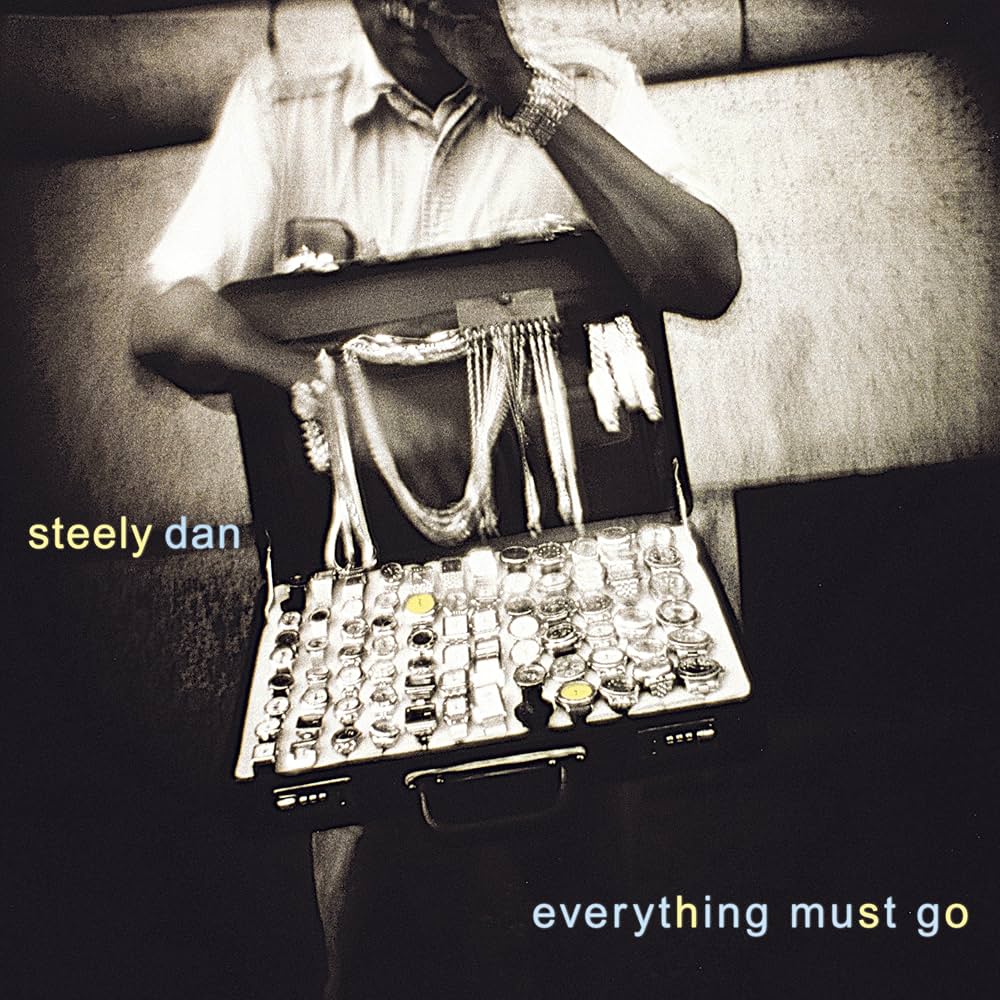
Their last studio album — though nobody knew it then. More experimental, more resigned. Walter Becker died in 2017.
Everything Must Go Key tracks
  • The Last Mall
  • Things I Miss the Most
  • Godwhacker
  • Slang of Ages
Branch B  ·  Production

Perfectionism as method

Village Recorder  ·  A&M Studios  ·  Los Angeles

After dissolving the touring lineup, Fagen and Becker turned the recording studio into their primary instrument. They booked the best musicians in Los Angeles — not a fixed band, but specialists. A drummer might play one song and never return. A guitarist might play eight bars. Sessions ran all day for a single section. Roger Nichols engineered with the same obsession: close-mic'd drums, meticulous EQ, compression that no one else could replicate.
The team
  • Gary Katz — producer, albums 1–7
  • Roger Nichols — chief engineer
  • Steve Gadd — drums, Aja title track
  • Larry Carlton — guitar, Royal Scam
  • Jeff Porcaro — drums, Gaucho
  • Michael McDonald — backing vocals
Branch B  ·  Production

Aja is the audiophile's reference disc

Used to test sound systems worldwide since 1977

Hi-fi dealers, recording engineers, and speaker manufacturers have used Aja as a reference disc for over forty years. The drum sound on the title track — Steve Gadd, close-mic'd, with zero room reverb on the overheads — reveals speaker coloration instantly. If your system handles "Aja" and "Peg" without smearing the transients, it handles most things. It's the record that reveals what a system actually does.
Why it works as a test
  • Wide dynamic range
  • Complex stereo imaging
  • Extreme transient detail
  • Tight, dry bass — no bloom
  • Subtle reverb tails easily masked
Branch B  ·  Production

A different band for every take

The rotating cast approach

Fagen and Becker would audition multiple drummers for the same track. For Aja alone, over forty drummers were invited to sessions. Most were thanked and sent home. The chosen performance might be one moment from one musician's take, edited against a bass line from someone else recorded two weeks earlier. The result sounds organic because the selection was ruthless.
The process
  • Scratch vocal recorded first
  • Rhythm section auditioned, often replaced
  • Overdubs stacked over weeks
  • Scratch vocal discarded at the end
  • Final vocal recorded last
Branch B  ·  Production

The controversy

Session musicians, unions, and the question of credit

Critics argued that using completely different musicians for each track wasn't a band at all — it was a production outfit. The musicians' union had mixed feelings about Wendell replacing live drummers. Some players resented doing a session only to have their parts replaced; others were proud just to have contributed. Fagen and Becker were characteristically unapologetic. The standard they held was the only one that mattered.
The counter-argument
  • Every player was paid union rates
  • Many were grateful for the work
  • The results spoke for themselves
  • This is now standard practice
Branch C  ·  The Name

The name has a story

William S. Burroughs  ·  Naked Lunch (1959)

The band lifted the name from a William S. Burroughs novel. The reference was deliberate, provocative, and obscure enough that nobody at ABC Records noticed before signing.
Context
  • Source: Naked Lunch (1959), W.S. Burroughs
  • Burroughs was a major influence on both
  • ABC Records signed them without noticing
  • The label never asked them to change it
  • "Yokohama" — foreshadows the Japan connection
Branch C  ·  The Name

Lolita, irony, and the gap

Production perfection vs lyrical darkness

The contrast between Steely Dan's immaculate production and their lyrical content is one of popular music's great ironies. Songs about drug addiction ("Time Out of Mind"), statutory relationships ("Hey Nineteen"), cocaine dealers ("Glamour Profession"), and paranoid fugitives ("Don't Take Me Alive") arrive wrapped in the most technically polished recordings of their era. The music is expensive wallpaper for very uncomfortable ideas.
The gap
  • Production: obsessive, clinical, precise
  • Lyrics: transgressive, dark, sardonic
  • Narrator: unreliable, morally compromised
  • Tone: knowing, never confessional
Branch D  ·  How I Listen

The same albums, on repeat

Branch D  ·  How I Listen

When Steely Dan clicked

Branch E  ·  Wendell

The machine that scared session drummers

Custom drum sampler  ·  Built by Roger Nichols  ·  1978–79

Roger Nichols — Steely Dan's chief engineer — built Wendell from scratch in his garage. One of the first digital drum samplers capable of triggering recorded acoustic sounds with machine-precise timing. Fagen and Becker named it after a cartoon character. On Gaucho it replaced live drummers on several tracks entirely, triggering sampled hits with inhuman consistency. The musicians' union was not amused.
Wendell drum machine Key facts
  • Built by Roger Nichols, 1978–79
  • One of the first polyphonic digital drum samplers
  • Debuted on Gaucho (1980)
  • Named after "Wendell the Turtle"
  • Preceded the Roland TR-808 by months
  • Nichols won a Technical Grammy in 2010
Branch E  ·  Wendell

Machine-perfect timing, imperfect masters

The Gaucho sessions  ·  1978–1980

With machine-perfect rhythm now possible, Fagen and Becker applied the same uncompromising standard to every other element. Takes multiplied. Musicians were called, played, and replaced. Then disaster: a noise-gate malfunction was discovered after mastering on several tracks. They shipped it anyway. The imperfection became part of the record's character — a monument to obsession undone by one overlooked detail.
Legacy
  • Anticipated modern sample libraries
  • Inspired a generation of studio engineers
  • The noise-gate error went unnoticed by most listeners
  • Fagen and Becker were furious — shipped it anyway
Branch F  ·  Gaucho

The most expensive record they ever made

MCA Records  ·  Recorded 1978–1980  ·  Cost: est. $1M+

Gaucho took two years and cost more than any previous Steely Dan album by a significant margin. By the time it was finished, the production budget had consumed the advance and then some. MCA pushed for delivery. Fagen and Becker pushed back.
The numbers
  • Two years in the making
  • Multiple full band replacements
  • Lawsuit settled out of court
  • Noise-gate error: discovered post-mastering
  • Grammy nomination: Album of the Year
  • Band dissolved shortly after release
Branch F  ·  Gaucho

Walter Becker's darkest years

Personal troubles  ·  The band breaks up

During the Gaucho sessions, Walter Becker was struggling with severe heroin addiction. His girlfriend died of an overdose. He was hit by a taxi and seriously injured. Sessions continued around his absences. Fagen shouldered an increasing share of the work. By the time the album was finished, the partnership that had defined both their careers was effectively over. They didn't formally break up — they just stopped.
The aftermath
  • No touring after Gaucho
  • Fagen went solo: The Nightfly (1982)
  • Becker went to Maui to recover
  • 20 years of silence
  • Reunion in 2000 — Two Against Nature
Branch F  ·  Gaucho

The second arrangement disaster

Keith Jarrett  ·  Uncredited melody  ·  Out-of-court settlement

Second Arrangement
The legal situation
  • problem
  • later kind of fixed
Branch F  ·  Gaucho  ·  Track 1

Babylon Sisters

5:53  ·  Side A opener  ·  Michael McDonald on backing vocals

Branch F  ·  Gaucho  ·  Track 2

Hey Nineteen

3:57  ·  Cuervo Gold  ·  "The Cuervo Gold, the fine Colombian"

Branch F  ·  Gaucho  ·  Track 3

Glamour Profession

7:28  ·  Longest track  ·  Drug deal in the parking lot

Branch F  ·  Gaucho  ·  Track 4

Gaucho

Title track  ·  5:34

Branch F  ·  Gaucho  ·  Track 5

Time Out of Mind

4:13  ·  Becker's shadow  ·  "When the demon is at your door"

Branch F  ·  Gaucho  ·  Track 6

My Rival

3:44  ·  Wendel prominent  ·  Deliberately ambiguous

Branch F  ·  Gaucho  ·  Track 7

Third World Man

Closing track  ·  5:14  ·  Then: 20 years of silence

Branch G  ·  City Pop

Japan heard something America missed

1977–1989  ·  Tokyo  ·  シティ・ポップ

As Steely Dan retreated into the studio, Japanese producers were listening with encyclopaedic attention. City pop — built on Japan's economic boom, late-night Tokyo, and import record stores — absorbed the Dan's harmonic sophistication and obsessive studio craft and reflected it back through a distinctly Japanese lens. Smooth, melancholy, urban. Western audiences barely noticed until a YouTube algorithm found Mariya Takeuchi in 2018.
Key artists
  • Tatsuro Yamashita — "Ride on Time" (1980)
  • Mariya Takeuchi — "Plastic Love" (1984)
  • Anri — "Last Summer Whisper" (1983)
  • Hiroshi Sato — "Awakening" (1982)
  • Casiopea — jazz-fusion, the Dan's groove
Branch G  ·  City Pop

Plastic Love and the algorithm

Mariya Takeuchi  ·  1984  ·  YouTube, 2018

"Plastic Love" was a B-side in 1984. In 2018 the YouTube recommendation engine began surfacing it to listeners of yacht rock, vaporwave, and lo-fi. Within months it had tens of millions of plays. The city pop revival introduced a generation to an entire catalogue: warm bass lines, breathy vocals, saxophone solos that land exactly as Steely Dan's do — inevitable, unhurried, precisely where they need to be.
The connection
  • Jazz harmony from Aja & Royal Scam
  • Same studio obsession, Tokyo address
  • "Plastic Love" — 180M+ YouTube views since 2018
  • City pop revival led to Steely Dan rediscovery in Asia